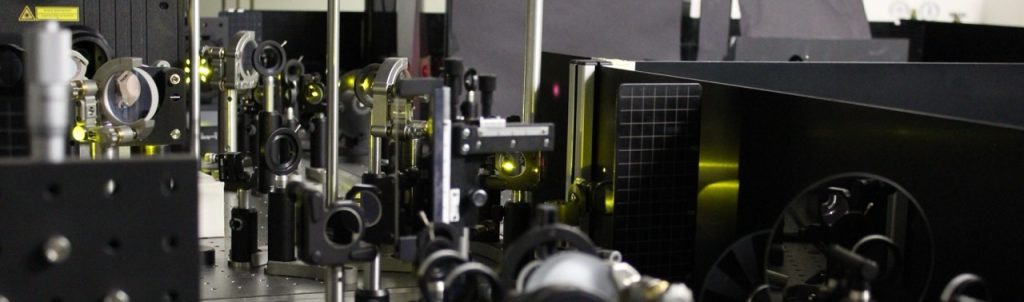
Our objective is to understand fundamental material properties (e.g., light-matter interactions, electron transfer processes, charge transport, molecular recognition) of organic and hybrid semiconductors, with applications in new generation solar cells, photocatalysts, organic transistors, and organic bioelectronics. The current gap between missing fundamental understanding and the blind development of applications needs to be filled in order to achieve intelligent design of high-performance devices. We propose a mechanistic, physical-chemistry approach, but with multidisciplinary scope at the interface of chemistry, physics, engineering, and materials science.
Our research revolves around the central question of what happens on the ultrashort time scale and ultrasmall length scale in organic solids to induce macroscopic function in devices, and how this can be optimized. Experimentally, we use a complementary palette of techniques combining time-resolved spectroscopy, spectro-electrochemical and chronoamperometric characterization, terahertz experiments, pulsed photocurrent methods, Stark-effect spectroscopy, and device testing.
In this overview, we want to provide you with an in-depth summary of our research objectives. If you are interested in a scientific collaboration, please reach out to Natalie:
Organic photocatalysis and OPV
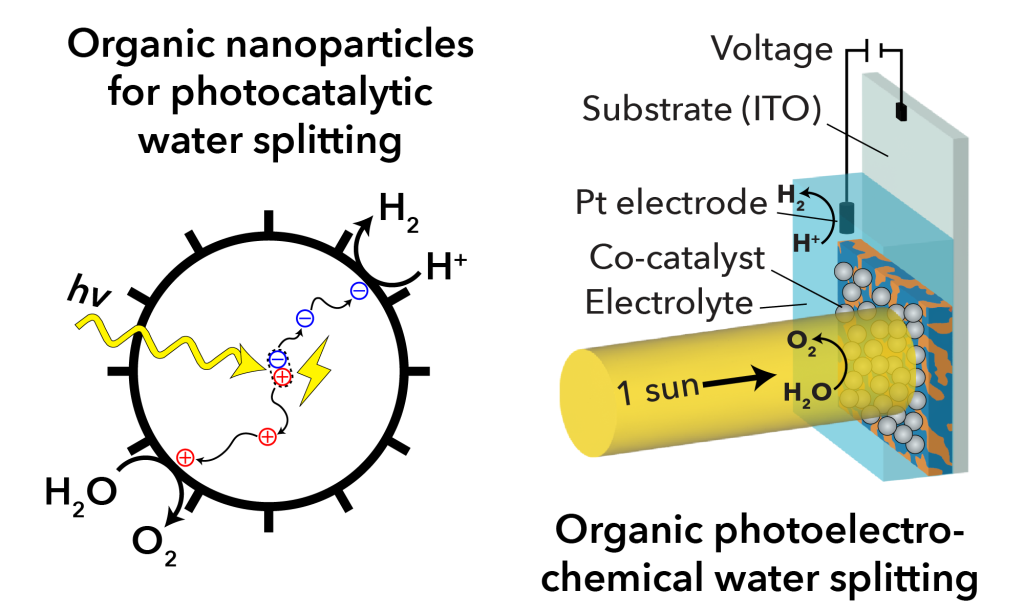
Our Ultrafast team is tackling charge generation and extraction in organic photovoltaics (OPV) and organic photocatalysts for renewable water splitting. We investigate the properties that govern exciton dissociation into charges as well as their lifetimes. By putting the understanding of the energy losses associated with those processes at the heart of our research, we learn how to optimize our OPVs or photocatalysts.
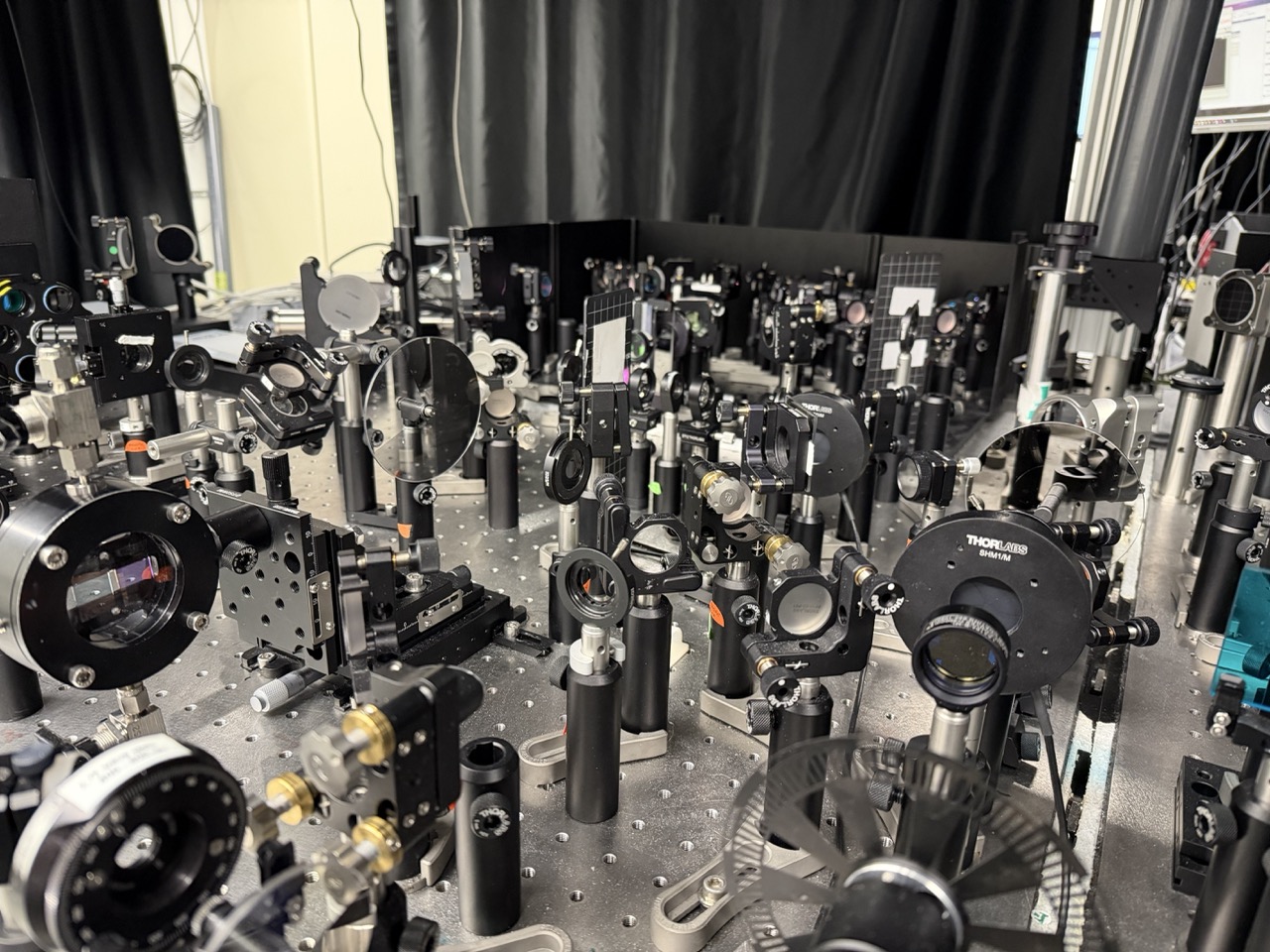
We apply transient absorption spectroscopy (TAS) with the option of probing long time delays up to 700 microseconds with ADASOPS, electrodifferential absorption (EDA) spectroscopy, sum-frequency generation (SFG) spectroscopy, time-resolved photoluminescence (TRPL) as well as photocurrent methods to elucidate the fate of the photogenerated charges. These insights help us provide informed suggestions for novel material candidates.
After shaping the field of perovskites for several years, followed by OPVs based on non-fullerene acceptors (NFAs), we are now setting out to unravel the charge interactions on the interfaces of organic photocatalysts. Stay tuned!
Take a look at the findings of our Ultrafast team:
- Md S. Ahmed, D. Tsokkou, C. Barman, M. Sk, R. Thapa, N. Banerji, S. S. K. Raavi
Energy Transfer Mechanisms Driving Dual Visible–NIR Emission in Rare-Earth Doped Double Perovskites for Multifunctional Applications
Laser & Photonics Reviews, e02186 (2025). - G. J. Moore, F. Günther, K. M. Yallum, M. Causa’, A. Jungbluth, J. Réhault, M. Riede, F. Ortmann, N. Banerji
Direct visualization of the charge transfer state dynamics in dilute-donor organic photovoltaic blends
Nature Communications 15, 9851 (2024). - J. Wolansky, C. Hoffmann, M. Panhans, L. C. Winkler, F. Talnack, S. Hutsch, H. Zhang, A. Kirch, K. M. Yallum, H. Friedrich, J. Kublitski, F. Gao, D. Spoltore, S. C. B. Mannsfeld, F. Ortmann, N. Banerji, K. Leo, J. Benduhn
Sensitive Self-Driven Single-Component Organic Photodetector Based on Vapor-Deposited Small Molecules
Advanced Materials 2024, 2402834 (2024). - Y. Zhong, M. Causa’, Gareth J. Moore, P. Krauspe, B. Xiao, F. Günther, J. Kublitski, R. Shivhare, J. Benduhn, E. BarOr, S. Mukherjee, K. M. Yallum, J. Réhault, S. C. B. Mannsfeld, D. Neher, L. J. Richter, D. M. DeLongchamp, F. Ortmann, K. Vandewal, E. Zhou, N. Banerji
Sub-picosecond charge-transfer at near-zero driving force in polymer:non-fullerene acceptor blends and bilayers
Nature Communications 11, 833 (2020).
Bioelectronics and OECTs

Our Bioel team studies real-time doping and interfacial properties of organic semiconductors immersed in electrolytes, biomolecules or living cells. We investigate how the bulk and surface properties of solid-state organic semiconductor films are affected and what the implications are for electronic and ionic exchange across the interface and in the bulk of organic bioelectronic devices.
We apply in-situ spectro-electrochemistry, chronoamperometry, Raman and THz spectroscopy to polymer films contacted in OECT configuration and study the material behavior at different doping levels. By combining these techniques, we resolve the nature of charged species and their density in our materials, which we use to elucidate their impact on the local transport properties of doped semiconductor films.
Our reworked new spectro-electrochemistry setup will also enable fundamental and applied studies about thermodynamics in OECT devices thanks to in-situ temperature control.
Have a look at some key publications from our BioEl team:
- P. Cavassin, T. C. Hidalgo Castillo, R. Marcial-Hernandez, P. Gilhooly-Finn, J. Réhault, S. Inal, C. B. Nielsen, N. Banerji
Why P3HT Outperforms More Polar Analogues in OECTs
Chemistry of Materials 37, 6983−6990 (2025). - O. Bardagot, P. Durand, S. Guchait, H.-Y. Wu, I. Heinzen, W. Errafi, V. Bouylout, A. Pistillo, C.-Y. Yang, G. Rebetez, P. Cavassin, B. Jismy, J. Réhault, S. Fabiano, M. Brinkmann, N. Leclerc, N. Banerji
Over tenfold increase in current amplification due to anisotropic polymer chain alignment in organic electrochemical transistors
Advanced Materials 2025, 2420323 (2025). - O. Bardagot, B. T. DiTullio, A. L. Jones, J. Speregen, J. R. Reynolds, N. Banerji
Balancing Electroactive Backbone and Oligo(Ethylene Oxy) Side-Chain Content Improves Stability and Performance of Soluble PEDOT Copolymers in Organic Electrochemical Transistors
Advanced Functional Materials 2025, 2412554 (2025). - P. Cavassin, I. Holzer, D. Tsokkou, O. Bardagot, J. Réhault, N. Banerji
Electrochemical Doping in Ordered and Disordered Domains of Organic Mixed Ionic–Electronic Conductors
Advanced Materials 35, 2300308 (2023). - G. Rebetez, O. Bardagot, J. Affolter, J. Réhault, N. Banerji
What drives the kinetics and doping level in the electrochemical reactions of PEDOT:PSS?
Advanced Functional Materials 32, 2105821 (2021).
Doping of organic semiconductors
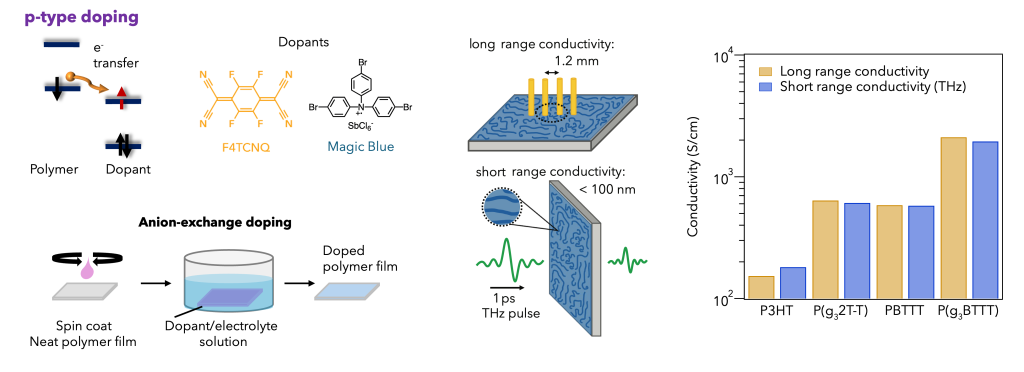
Doping is at the heart of the operation of organic electrochemical transistors (OECTs) and many optoelectronic devices, motivating a closer look at this phenomenon. We employ a wide range of different doping methods that result in various doping levels and morphologies of our materials. We examine the doping dynamics in our millisecond to second in-situ spectroscopic setup and reveal the underlying excited-state electronic/structural dynamics of excitons and charged species (i.e., singly and doubly charged species) with our transient absorption setups.
Furthermore, we study the charge transport of doped conjugated systems, mainly polymers, from nanometer to millimeter length scales to uncover morphological limitations of our materials. This comparison involves our four-point-probe setup for the long-range conductivity to study charge transport over millimeter distances; our THz setup gives access to the complex conductivity spectra in the THz region, providing information about the transport properties of the doped systems on nanometer distances.
We are currently opening up to another degree of freedom in our lab: By cooling down our samples in a cryostat, we gain insights into the mechanism of charge transport in organic semiconductors.
Learn more about the work of our Doping subgroup:
- B. Hunger, M. M. Horn, E. Röck, D. Rosas Villalva, L. Bynens, J. Vanderspikken, C. Kousseff, S. Gobeil, O. Bardagot, N. Akmanşen‐Kalayci, S. H. Tolbert, I. McCulloch, W. Maes, D. Tsokkou, N. Banerji
Resistance to Overdoping Allows Over 2000 S cm−1 Conductivity in P(g3BTTT) With Anion‐Exchange Doping
Advanced Materials, e23635 (2026). - E. Röck, D. Tsokkou, B. Hunger, M. M. Horn, S. Zokaei, R. Kroon, J. Asatryan, J. Martín, C. Müller, M. Kemerink, N. Banerji
Distance–resilient conductivity in p-doped polythiophenes
Materials Horizons (2025). - D. Tsokkou, P. Cavassin, G. Rebetez N. Banerji
Bipolarons rule short-range terahertz conductivity in electrochemically doped P3HT
Materials Horizons 9, 482–491 (2022). - P. Krauspe, N. Banerji, J. Réhault
Effective detection of weak terahertz pulses in electro-optic sampling at kilohertz repetition rate
Journal of the Optical Society of America B 37(1), 127–132 (2020).
Some impressions
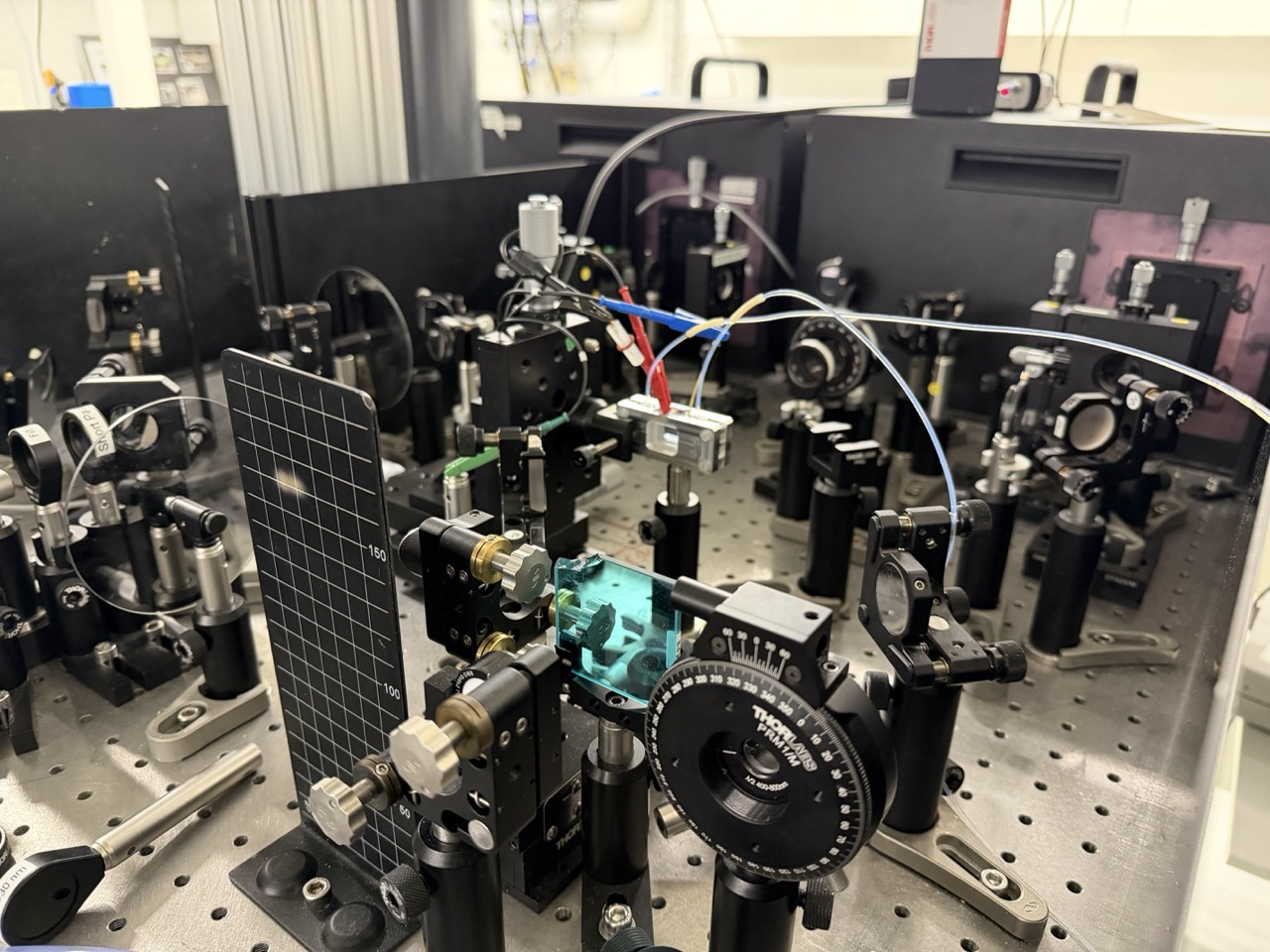
Our TA setup with 450–1300 nm detection
Our TA setup with 600–1700 nm detection
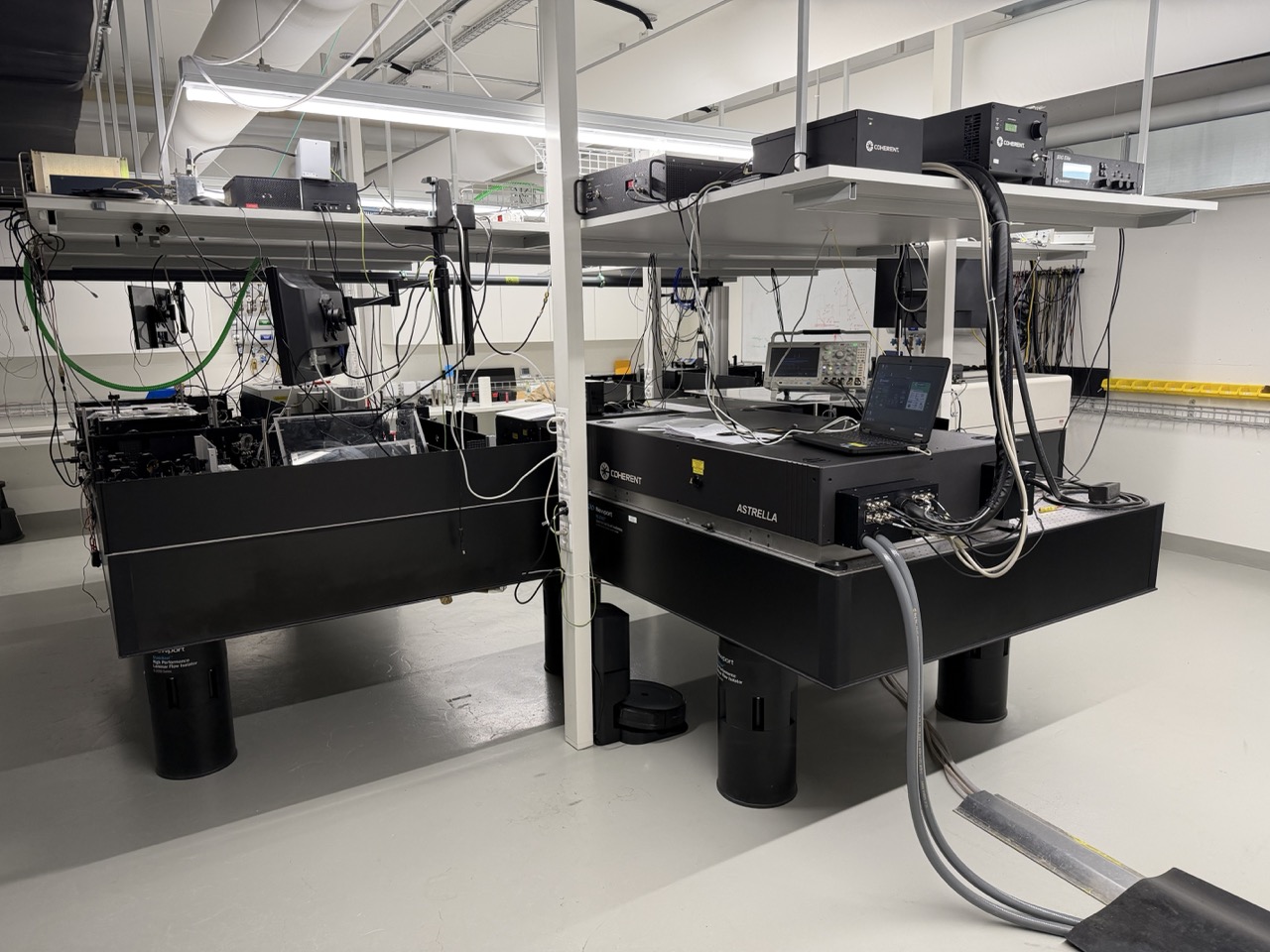
Our big laser lab
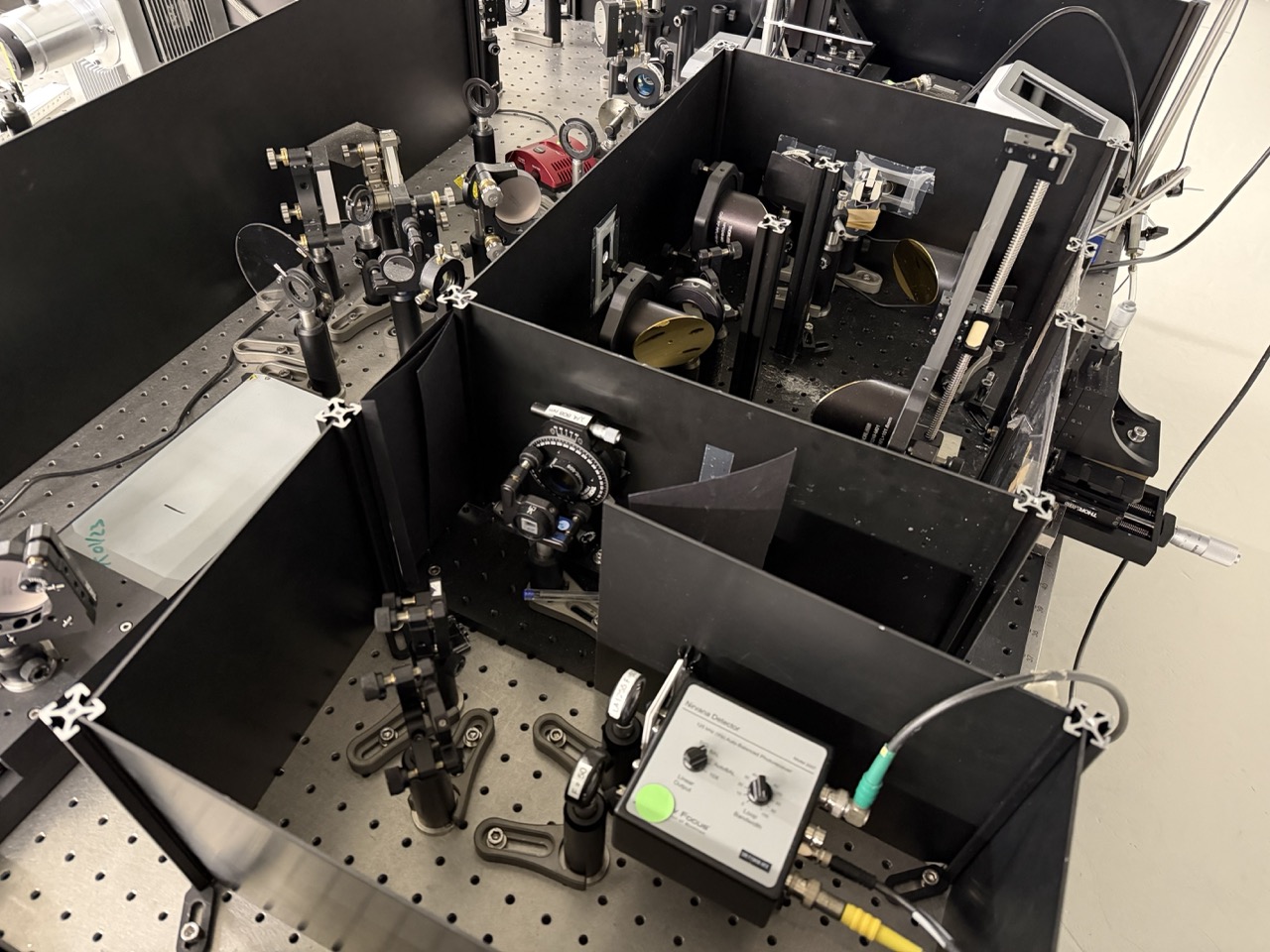
The Terahertz setup
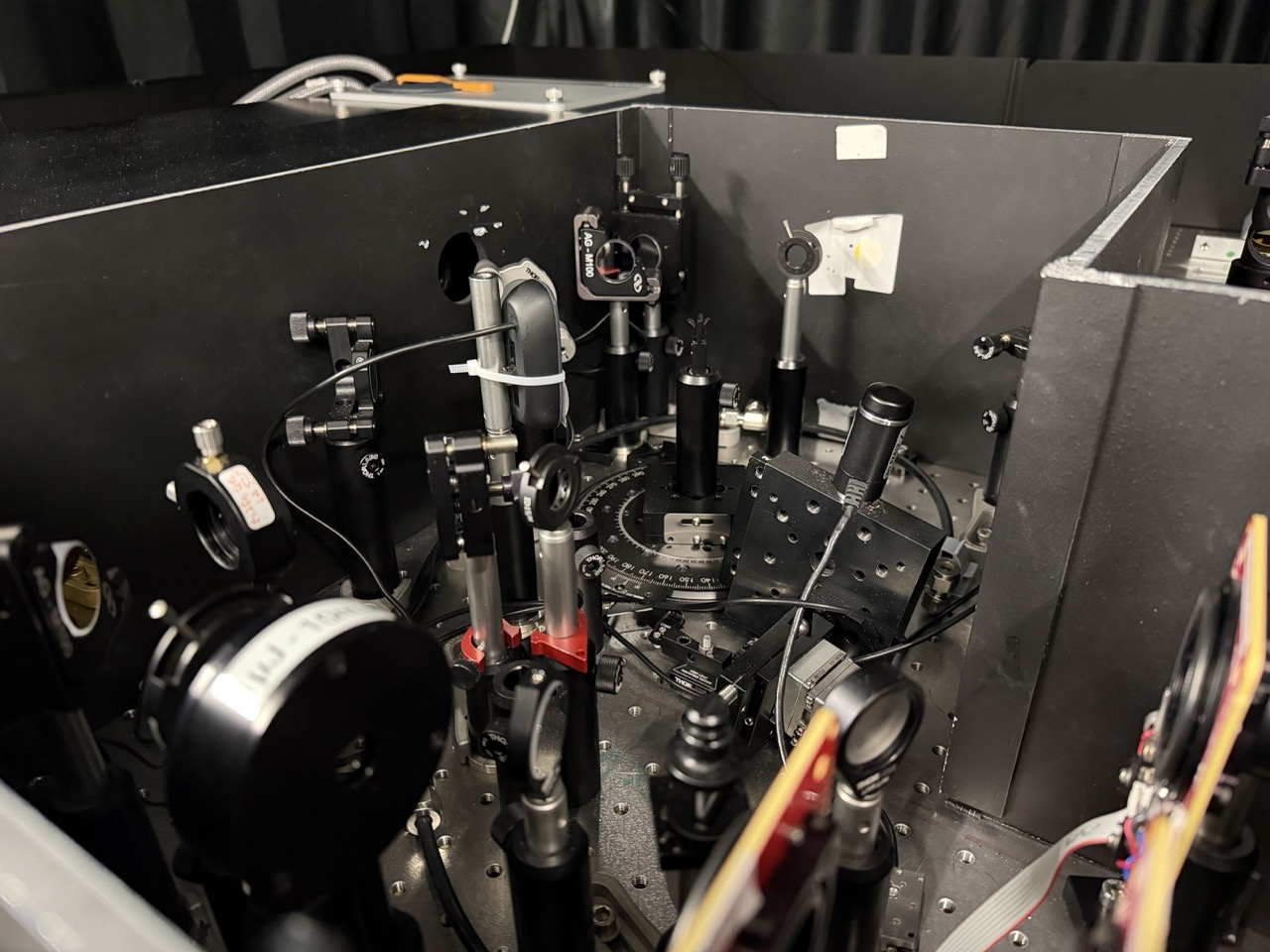
Measuring Sum frequency generation on interfaces
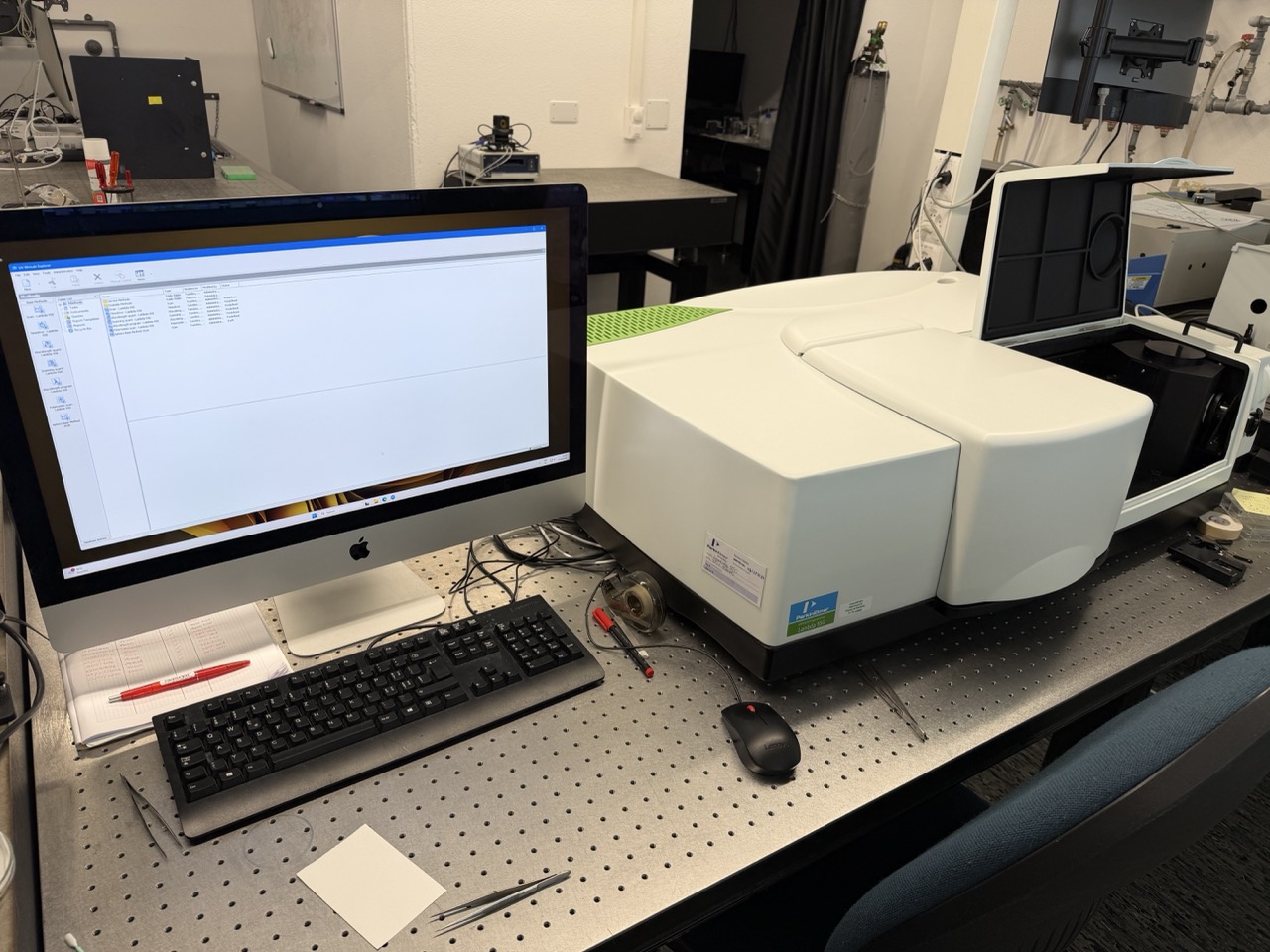
Steady-state absorbance
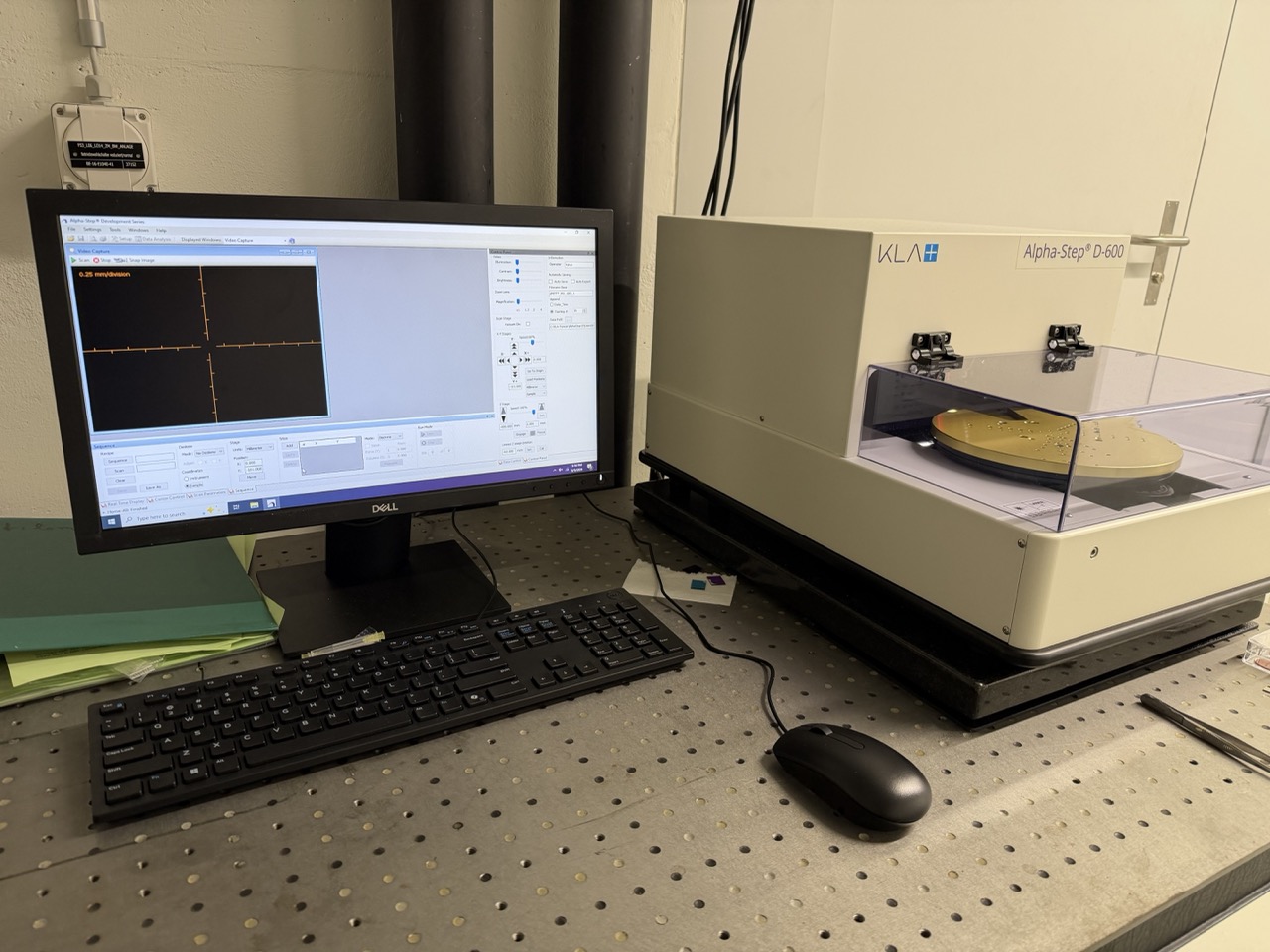
Measuring thickness
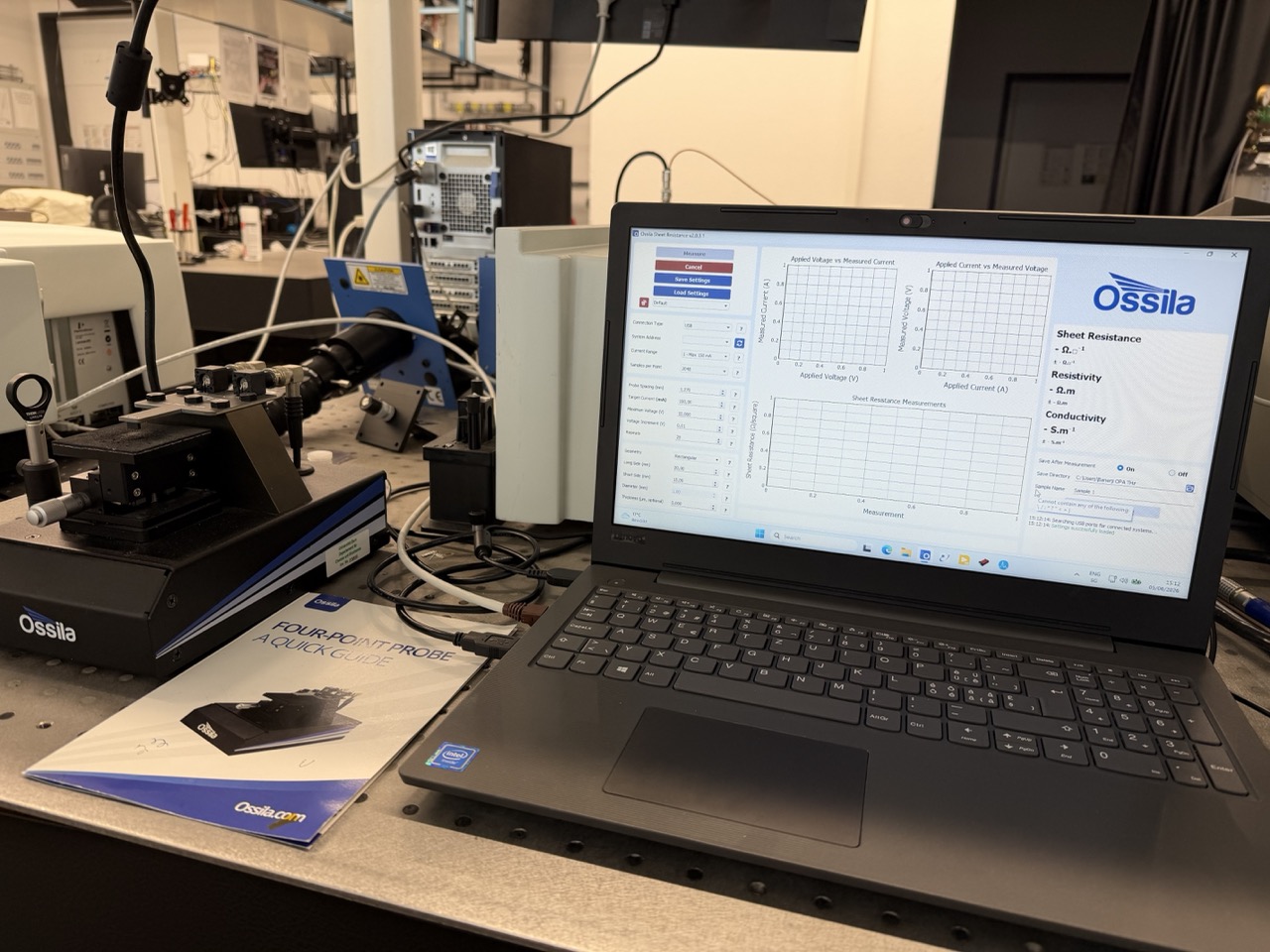
Measuring conductivity